The Good Nurse by Charles Graeber


Graeber_TheGoodNurse(HC) (2)FOR IMMEDIATE RELEASE:

“Graeber doesn’t pull punches… A deeply unsettling addition to the true crime genre.” —Publishers Weekly

“[Graeber] imbues the story with an intense level of anticipation, with one question constantly in the background: Who will stop this man and when? A thrilling and suspenseful page-turner that is sure to be loved by the majority of readers, who will be both horrified and fascinated.”  —Kirkus Reviews

Over the course of his sixteen years, Charles Cullen had been the subject of dozens of complaints and disciplinary citations, and had endured four police investigations, two lie detector tests, perhaps twenty suicide attempts, and a lock-up, but none had blemished his professional record. He’d jumped from job to job at nine different hospitals and a nursing home, and been ‘let go,’ ‘terminated,’ or ‘asked to resign’ at many of them. But both his Pennsylvania and New Jersey nursing licenses remained intact, and each time he filled out a new application, Nurse Cullen appeared to be an ideal hire. His attendance was perfect, his uniform pristine. He had experience in intensive care, critical care, cardiac care, ventilation, and burns. He medicated the living, was the first code responder when machines screamed over the dying, and exhibited origamilike artistry when plastic-wrapping the dead. He had no scheduling conflicts, didn’t seem to attend movies or watch sports, and was willing, even eager, to work nights, weekends, and holidays… His fellow nurses considered him a gift from the scheduling gods, a hire almost too good to be true. —From THE GOOD NURSE

After his December 2003 arrest, registered nurse Charlie Cullen was quickly dubbed “The Angel of Death” by the media. But Cullen was no mercy killer, nor was he a simple monster. He was a favorite son, husband, beloved father, best friend, and celebrated caregiver. Implicated in the deaths of as many as 300 patients, he was also perhaps the most prolific serial killer in American history.

Cullen’s murderous career in the world’s most trusted profession spanned sixteen years and nine hospitals across New Jersey and Pennsylvania. When, in April of 2007, Charles Cullen was marched from his final sentencing in an Allentown, Pennsylvania, courthouse into a waiting police van, it seemed certain that the chilling secrets of his life, career, and capture would disappear with him. Now, in a riveting piece of investigative journalism nearly ten years in the making, journalist Charles Graeber presents the whole story for the first time. Based on hundreds of pages of previously unseen police records, interviews, wire-tap recordings and videotapes, as well as exclusive jailhouse conversations with Cullen himself and the confidential informant who helped bring him down, THE GOOD NURSE (TWELVE; On-Sale Date: April 9, 2013) weaves an urgent, terrifying tale of murder, friendship, and betrayal.

Graeber’s portrait of Cullen depicts a surprisingly intelligent and complicated young man whose promising career was overwhelmed by his compulsion to kill, and whose shy demeanor masked a twisted interior life hidden even to his family and friends. Were it not for the hardboiled, unrelenting work of two former Newark homicide detectives racing to put together the pieces of Cullen’s professional past, and a fellow nurse willing to put everything at risk, including her job and the safety of her children, there’s no telling how many more lives could have been lost.

In the tradition of In Cold Blood, THE GOOD NURSE does more than chronicle Cullen’s deadly career and the breathless efforts to stop him; it paints an incredibly vivid portrait of madness and offers a penetrating look inside America’s medical system. Harrowing and irresistibly paced, this book will make you look at medicine, hospitals, and the people who work in them, in an entirely different way.

Charles Graeber has written for Wired, GQ, The New Yorker, New York, Outside, Bloomberg Businessweek, and the New York Times, among others. His work has received numerous awards including the 2011 Ed Cunningham Award for outstanding international journalism from the Overseas Press Club and a New York Press Club prize. Born in Iowa, he lives in Nantucket, MA, and Brooklyn, NY. For more information, you can visit www.CharlesGraeber.com.

Immortal Bird by Doron Weber

FOR IMMEDIATE RELEASE:

“A powerful and lyric portrait of a son and a vibrant family.” Toni Morrison, author of Beloved

“The story is Damon himself, his life, his loyalties, his courage, his eloquence (Damon’s blog excerpts alone make the book worth reading) and his family, all rendered with love, humor, pain and exquisite clarity. Beautifully told and skillfully paced, surprisingly joyful at times, this memoir above all presents an extraordinary young life. In the brightness of this life, the realities of illness, pain and medical imperfection are secondary for the reader, and ultimately disappear. The radiance remains.” Washington Post

 “Devastating.” Entertainment Weekly, A-

 “[A] ferociously tender memoir…lovely and heartbreaking.” —PEOPLE (3.5 out of 4 stars)

 “Beautifully written…[As] the end approaches, so does a sense of the miraculous: Like the brightest stars, Damon’s energy consumed him, even as it galvanized others. It’s that luminosity, carefully expressed by a devoted father, that makes this memoir so transporting.” —MORE magazine

Damon Weber is a brilliant kid – a top student, skilled actor and a natural leader at school. Born with a congenital heart defect corrected by surgery when he was an infant, Damon lives a big life with spirit and independence that have always been a source of pride to his parents, Doron and Shealagh. But even as teenaged Damon continues to thrive socially and academically, his ever-vigilant parents start to pick up on worrisome signs: Damon’s physical development has stagnated, his abdomen looks distended, and his energy flags.

In the unsettling weeks after 9/11, their worst fears are confirmed: Damon has developed a serious and poorly understood medical condition that may require a heart transplant for survival. His body is leaking protein, and drastic moves must be made—quickly. As Doron sets off on a race against time for a solution, poring over medical studies and consulting countless experts about every treatment available, Damon musters his strength and carries on with the life of a venturesome teenage boy. He learns to sail and ski, takes the unique opportunity to go horseback riding with a world-champion bull rider, maintains his studies, and hangs out with his siblings and friends whenever he has the energy. And he continues to prove his talent on stage, directing a 23-person play and even making his national television debut on the popular HBO series “Deadwood.”

Eventually it becomes clear, however, that Damon’s condition has deteriorated so much that a transplant is his only hope. Doron and Shealagh – after interviewing myriad doctors and hospitals – make the momentous decision to place him on the donor waiting list, and the lion-hearted Damon prepares for battle.

“Red Sox come back to win four consecutive games make world series and baseball history….Which goes to show you boys and girls: it ain’t over till it’s over,” Damon writes with trademark wit and verve on his blog in the months leading up to surgery.

Weaving Damon’s written thoughts with his own candid and beautifully rendered recollections, Weber gives readers an intimate glimpse of a vibrant and loving family as they embark on a dramatic journey to save their remarkable son—and a rare window into the mind of a teenage boy as he grapples with a grim diagnosis.

At once a triumphant coming-of-age tale, a moving portrait of a burgeoning friendship between father and son, and a searing story about the perils of modern medicine,
IMMORTAL BIRD stands as an unforgettable testament to a young boy’s passion for life and the redemptive power of art in the face of the unthinkable.

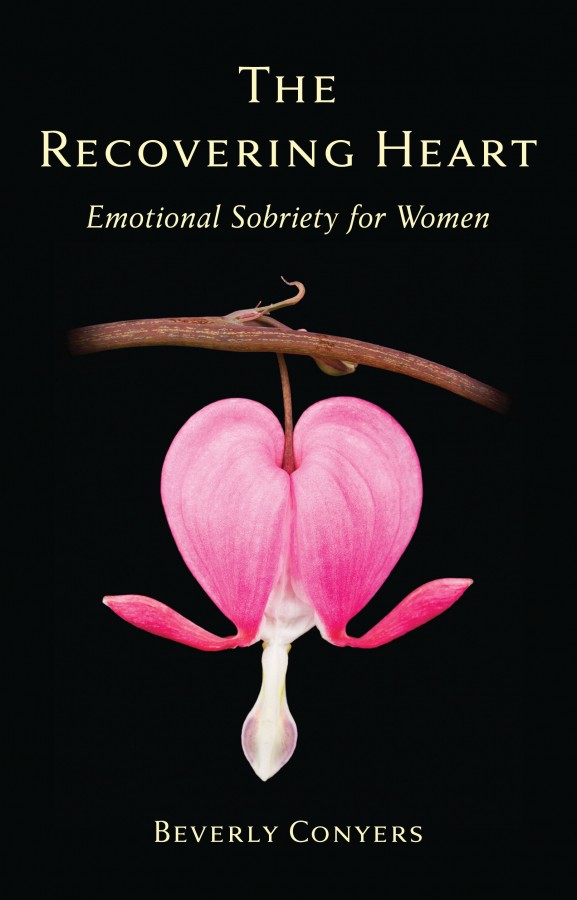
The Recovering Heart: Emotional Sobriety for Women


RecoveringHeartFINFOR IMMEDIATE RELEASE:Beyond the physical and biological effects that have taken a toll on those in recovery from addiction, a wide range of emotions can begin to emerge even after sobriety takes hold. Often these are feelings that until now were either suppressed or dealt with by self-medicating with alcohol or other drugs. Women new to sobriety are especially prone to this emotional turmoil and—according to Beverly Conyers in her new book THE RECOVERING HEART: Emotional Sobriety for Women (Hazelden Publishing; 978-1-61649-437-7; $14.95; June 25, 2013; Original Trade Paperback)—must address it in order to grow and flourish.Conyers, author of the recovery classic Addict in the Family, describes in THE RECOVERING HEART how the seeds of insecurity are planted early on for women in our culture: on one hand, we are expected to be nurturing, pleasant, and wholesome. On the other hand, pornography permeates our culture and degrades the value of women. We are expected to be chaste and at the same time sexually proficient. We are told it’s our minds, not our bodies, that matter, yet we are judged by our physical attractiveness.
In addition to societal challenges, for women growing up in an abusive or traumatic environment, the damage only increases. They can be left with deep-rooted feelings of shame, self-loathing, and unworthiness, and they often end up suffering from destructive relationships and some form of addiction. They may also find themselves physically incapable of experiencing feelings of happiness and joy due to underdeveloped areas of the brain.

In THE RECOVERING HEART, Conyers guides women in achieving emotional sobriety by:

  • developing inner resiliency to process buried emotions
  • freeing positive feelings of self-worth, independence, and integrity
  • improving communication skills
  • expanding capacity for intimacy and trust
  • reawakening a spiritual life

THE RECOVERING HEART is full of anecdotes from the lives of real women who have struggled and found hope and healing in emotional sobriety. Each chapter also includes suggested questions for journaling or reflecting to help women understand what they are going through. For any woman who has experienced trauma, depression, or addiction, THE RECOVERING HEART is a necessary companion to heal the wounded heart, find freedom in a life of self-acceptance, and lay the foundation for a relapse-free second stage of recovery.

ABOUT THE AUTHOR:
Beverly Conyers, M.A., is an editor and freelance writer who lives in New England. She is the author of Addict in the Family: Stories of Loss, Hope, and Recovery and Everything Changes: Help for Families of Newly Recovering Addicts
.


Almost Anorexic: Is My or My Loves Ones Relationship with Food a Problem?

Almost Anorexic.fin.FC.LR

FOR IMMEDIATE RELEASE:

ALMOST ANOREXIC makes clear that serious widespread eating problems are often ignored by assessment tests, health care professionals, media coverage, insurance companies, and even the person who is suffering. This book will help millions—including men!” –Leigh Cohn, M.A.T., C.E.D.S., editor-in-chief, Eating Disorders: Journal of Treatment and Prevention, and coeditor of Current Findings on Males with Eating Disorders

ALMOST ANOREXIC is a vibrant read with a fresh perspective on the perilous gray zone between healthy and anorexic.” –Cynthia Bulik, Ph.D., F.A.E.D., author of Midlife Eating Disorders: Your Journey to Recovery and director of the University of North Carolina Center of Excellence for Eating Disorders.

“I wish I had a touch of anorexia.”

Authors Jennifer J. Thomas, Ph.D., and Jenni Schaefer hear this all the time. Why does a serious, life-threatening illness with one of the highest mortality rates of any psychiatric disorder inspire such cachet? Data suggest that the flip side of our national obesity epidemic is a serious problem with disordered eating. Aside from the 1 in 200 adults with full-blown anorexia, a shocking 1 in 20 adults (or 1 in 10 for teen girls) exhibit key symptoms of anorexia, bulimia, or binge eating disorder but never address the issue because they don’t fully meet the diagnostic criteria.

Drawing on case studies and the latest research, ALMOST ANOREXIC: Is My (or My Loved One’s) Relationship with Food a Problem? combines the clinical expertise of Jennifer J. Thomas, Ph.D., along with Jenni Schaefer’s personal recovery story to help readers understand and overcome “almost anorexia” and live normal, healthy lives.
Some common warning signs and symptoms of almost anorexia are as follows:

  • Eating large amounts of food while feeling out of control
  • Experiencing significant weight shifts, often as a result of intentional attempts to drop pounds
  • Compulsively exercising or fasting to “make up” for a donut or another high-calorie item
  • Consistently restricting certain foods or carefully measuring portions
  • Having a closet full of clothes too big that you hide in because you feel bad about your body—or clothes too small for when you are “thin enough”
  • Standing in front of a mirror and telling yourself that certain aspects of your body are “ugly”
  • Comparing yourself to others, thinking your life would be better if you could be as thin as they are

ALMOST ANOREXIC reveals why unhealthy relationships with food are much more prevalent than full- blown anorexia and that they can be very dangerous as well as emotionally painful. Dr. Thomas and Jenni Schaefer show you not only how to get better but how to recover fully and have a more balanced and content life.

Jennifer J. Thomas, Ph.D., is an assistant professor of psychology in the department of psychiatry at Harvard Medical School and on staff at Massachusetts General Hospital specializing in eating disorders.

Jenni Schaefer is chair of the Ambassadors Council of the National Eating Disorders Association and an internationally known author and speaker whose work has helped change the face of recovery from eating disorders. Her books include Life without Ed and Goodbye Ed, Hello Me.

ABOUT THE ALMOST EFFECT SERIES

The Almost Effect™ (thealmosteffect.com) series presents books written by Harvard Medical School faculty and other experts that offer guidance on common behavioral and physical problems falling in the spectrum between normal health and full-blown medical conditions. These are the first publications to help general readers recognize and address these problems.

Craving by Omar Manejwala, M.D.

FOR IMMEDIATE RELEASE:

Chocolate, sex, travel, a glass of wine, a new pair of shoes, french fries—these are all things people may indulge in from time to time.  For the most part, feeding these desires is a simple way to enjoy life, but what happens when a little pleasure becomes an overwhelming need that cannot be satisfied?  Omar Manejwala, M.D., the chief medical officer at Catasys and the author of the new book CRAVING: Why We Can’t Seem to Get Enough (Hazelden Publishing; April 2013; $14.95; Original Trade Paperback), defines craving as a “strong desire that, if unfulfilled, produces a powerful physical and mental suffering.”  A true craving can lead to a serious problem. According to Manejwala, current research shows that psychology, culture and brain chemistry hold the clues to why we may never be satisfied—but they also show how we can overcome these urges and compulsions.

In CRAVING Manejwala explains that the brain can turn against us, undermining our goals.  Using our experiences, habits and biology, our brain influences what we crave—and whether we will be able to stop—by pulling the strings of pleasure and pain, thereby creating a cycle that is hard to break.  All sorts of factors can be involved in the creation of this pattern. Some are genetic, and others come from the environment in which we were raised. But one thing doctors now know is that we can change what we want by “teaching” our brain how to think differently.  Eventually, Manejwala maintains, we can lose interest in the very thing that used to control us.  A desperate need has the potential to fade—not to be completely forgotten, but certainly not to continue to dominate our everyday life.

Some of the questions Manejwala covers in CRAVING are:

  • How and why do our brains drive our behavior?
  • What are the warning signs that a craving is evolving into an addiction?
  • Why is craving the most difficult component of addiction to address?
  • How can we change the parts of the brain that fuel our cravings?
  • What are some beliefs about cravings that recent research has disproven? (For example, it’s not necessarily true that we want what we can’t have.)
  • What simple steps can we take that can aid in the longer-term process of living without constant craving?

CRAVING will help everyone, from the person who just wants to manage their cravings to prevent them from getting out of control, to an addict (alcoholic, compulsive overeater, shopaholic, gambler, sex-addict, etc.) who has crossed the line and needs to completely reeducate his brain.  Manejwala believes that everyone can get satisfaction by learning what it is they really need and how to get it.

Omar Manejwala, M.D., is the senior vice president and chief medical officer of Catasys in Los Angeles and is the former medical director at Hazelden Foundation.  Dr. Manejwala is a transformative public speaker and appears frequently in the national media to address the topic of addiction and compulsive behaviors.