Creating An Effective Instagram Bio

Having an effective Instagram bio is a key factor in growing your audience since it is the first thing profile visitors will see. Potential new followers will see your bio and profile before making a quick decision whether to stick around or click away. Optimizing your bio in 150 characters or less in a way that showcases your brand identity is pivotal but tricky! Here are a few things to keep in mind.

Keep It Short & Sweet

The number one tip when it comes to creating your Instagram bio is to keep it concise while continuing to be informative about your brand and personality. You want to communicate who you are and what you offer as soon as a visitor clicks on your profile. If they don’t know why they should follow you at a quick glance, your bio may not be effective enough. Between users’ short attention spans and the 150 character limit, you must strive to grab visitors’ notice right away.

Use Keywords

Your Instagram bio should contain keywords relevant to you and your brand that describe who you are and what you do as an author. This will increase your visibility online in search results to help new people find you and attract a target audience. For example, you can use words like “author” and “writer,” or more genre specific words like “romance,” or “mystery” to attract the right kind of readers to your page. As a starting point, brainstorm words that your ideal readers may use as search terms on Instagram to find books and authors similar to you. Instagram SEO will help your profile and content to be shown in search results.

Add a Call to Action

A call to action encourages page visitors to do something, whether that be to follow you, click a link, send a message, etc. This is a good way to get people interacting and engaging with you and your content right away. Choose a call to action that aligns with your goals and include it in your bio to optimize your audience’s sense of curiosity. We recommend including a link as your call to action. Try directing users to your own website where they can buy your book online, a newsletter sign up, or even a link in bio tool such as Linktree. A link in bio tool will show all of your most important links at once! Your bio is the first thing Instagram users will see when they visit your page, and these few simple tips are a great way to get started with your optimization. Your main goal is to drive readers into some type of action, such as following you or buying your book. Check out these fun bio ideas for some more inspiration on what to add to your profile and how to have an effective Instagram bio!

TikTok & Book Promotion

If you aren’t using it, you’ve heard of it. However, you might not know how to use it, or what it really is. Today we will be discussing the underdog tool in your promotional belt, TikTok, and how to use it for book promotion.

What is TikTok?

TikTok is a window to the latest pop culture trends among Generation Z. Gen Z (any individual born roughly between 1997-2012) dominates TikTok’s user base; the same generation also happens to be the next large target group of potential consumers. TikTok was created by the Beijing news-media tech company ByteDance. Often described as a combination of both Snapchat and Instagram, TikTok is a social app for short videos between 15 seconds and 10 minutes. The app has over one billion monthly active users, meeting or exceeding its competitors (Hootsuite). Their net user and download numbers only continue to climb. Needless to say, a large audience is there for the taking – particularly ripe for YA authors.

How do I use TikTok?

TikTok can be used via mobile device or desktop, however most creators recommend the use of the mobile version for the best experience. You will need to download via smartphone or tablet. While this may sound limiting, don’t fear: TikTok has a host of editing tools in-app that enable you to create unique and original content.
  • Setup: The first prompt you get when logging in to the application is one asking your interests. Would you like to see comedy skits? Do you follow beauty influencers? What about dance performance? Your answers to these questions feed TikTok’s algorithm and influence what content you view under the “For You” page (one of two pages that make up your TikTok “Home” screen). The “Following” page consists of users you are subscribed to after tapping around the app and finding what you like. Each user has a page setup much like Instagram -a photo of themselves, their handle, a follower count, bio, and their content.
  • Creating Content: Similar to Snapchat, creating your own content starts with a simple point-and-shoot clip. You only have a limited amount of time to deliver your message. Even though TikTok has updated its abilities, and you can now post longer videos, most users are still scrolling quickly. Try to hook their attention in the first few seconds of your video.

How can I use TikTok for book promotion?

Here is where you’ll need to get creative! TikTok has little text involved, and is video-based. In other words, TikTok users aren’t typically looking to read when they engage with the app. Get involved in the #BookTok community to begin promoting your book. Thankfully, there are plenty of opportunities to promote your book.
  • Challenges and trends: TikTok users generate a great deal of challenge and trend-based content, including the BookTok community, that you can monitor and utilize tailored to your own content.
  • Connect with your audience: Share “Monthly TBR” or “Wrap-Up” videos to show your audience what you like to read and use this opportunity to share books that are similar to yours. Grab the attention of those that are in your book’s target audience. Interact with their comments and foster those relationships.
  • Most importantly, stay active on TikTok! It’s recommended that you post 1-4 times per day to promote organic growth (Planly). Staying active on the app will not only help with growth opportunities, but also keep you in the know on trending challenges, sounds, and more. Lean in to what is trending and tweak it to align with your own content.
TikTok has increased in notoriety to the point of Facebook imitating the application, and Instagram introducing Reels. It’s time for you to make use of the trend. Now you’re ready to TikTok with the best of them!

References

https://www.clairemckinneypr.com/social-media-101-snapchat-and-author-branding/ https://www.clairemckinneypr.com/social-media-101-instagram-updates/ https://blog.hootsuite.com/tiktok-for-business/ https://planly.com/tiktok-limits/#:~:text=1%2D4%20posts%20per%20day%20on%20TikTok%20is%20better%20for%20TikTok%20growth https://techcrunch.com/2018/06/05/facebook-lip-sync-live/

What is the Best Social Media for Authors?

Most people have multiple social media accounts in order to consume a wide variety of content. However, for creators themselves, it’s better to stick to one or two social media sites in order to better build a focused audience. This post is meant to help you discover the best social media for you as an author, rather than the best overall. Each has its own demographic, so no one social media is best for everyone.

TikTok

Tiktok is much more popular with the younger generation than anyone else. 25% of TikTok users in the US are aged 10-19, with a 2:1 ratio of female to male users. YA books are popular among TikTok’s younger demographic. The best tag for authors to use is #booktok, as many readers use that tag to find new books to read or talk about.

Instagram

Instagram is one of the most popular social media sites. Thanks to it taking inspiration from several other sites, its content is fairly generalized. The same goes for its audience. Most Instagram users are 18-34 years old, and the split between male and female users is miniscule. There’s a slight lean toward men, with 50.6% of users being men and 49.4% being women. Like TikTok, it has its own tag for authors and readers: #bookstagram. There are also widely used niche hashtags by trope and micro community.

Facebook

Meta’s very first social media site, Facebook, is well known as an early pioneer of social media. Because of its age and fame in the online world, it’s possibly the most popular social media site. Many people assume Facebook is used by primarily older generations, however the majority of its users are 25-34 years old. The gender demographic skews toward men, with 56.8% of users being male and 43.2% female.

Reddit

Reddit is incredibly useful for building an audience in a certain subject. Subreddits are helpful for finding people who enjoy the same things you do. Like Instagram, the majority of Reddit users are young adults, with 42% of its users being 18-24 years old. Reddit has the biggest gender split so far, with 63.8% being male and 36.2% female. However, all of these stats can change depending on the specific subreddit you’re using.

Tumblr

Tumblr is the most unique of the social media listed. It encourages people to reshare and engage with posts they like, and more unexpected people use it than one would think. Niel Gaiman and John Green are two well known authors who regularly use Tumblr. 28% of its users are 18-29 years old, and 69% are millennials overall. Its gender split is very even, like Instagram’s. 48% of its users are female, and 52% are male.

X

X, previously Twitter, is incredibly popular. It’s best for short-form content and short bursts of advertising due to its character limit, but that doesn’t stop it from being useful. The majority of X users are 25-34 years old, and 70.4% of its users are male. This is the biggest gender gap of the social media discussed. These are some of the most well-known and used social media platforms you can use as an author to build an audience and market your book. As said earlier, it’s best to stick to one or two, preferably the ones that will have the biggest potential audience for your content.

References

TikTok User Statistics (2023) (backlinko.com) Instagram Users, Stats, Data, Trends, and More — DataReportal – Global Digital Insights Facebook Users, Stats, Data, Trends, and More — DataReportal – Global Digital Insights Reddit Statistics For 2023: Eye-Opening Usage & Traffic Data (foundationinc.co) https://blog.gitnux.com/tumblr-statistics/ 23 Essential Twitter Statistics You Need to Know in 2023 (thesocialshepherd.com)

AI Art and How it Affects Design

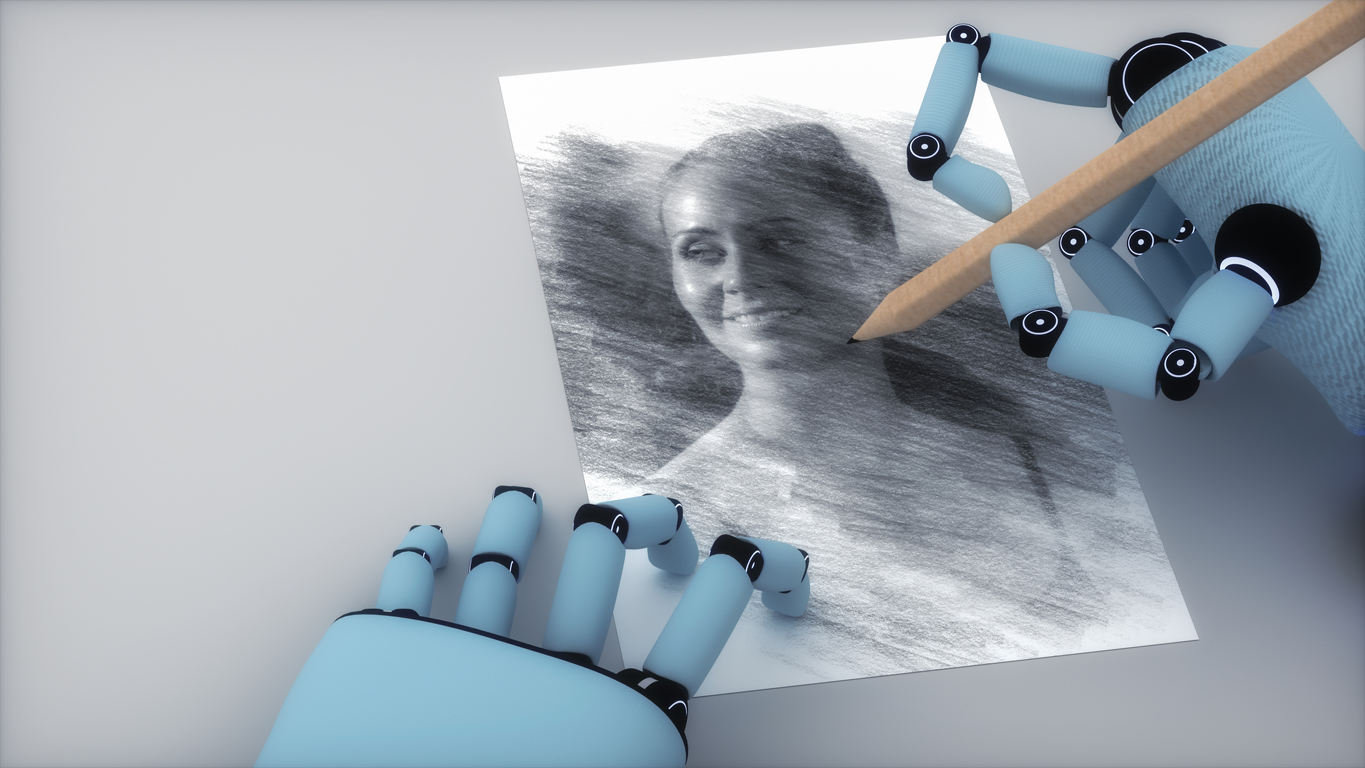
With the rise of AI such as ChatGPT and Dall-E, people are forgoing hiring artists and designers to instead use AI to create art for them. However, AI art has many flaws that make it pale in comparison to hiring human artists, greatly affecting the world of art and design.


One of AI art’s biggest flaws is the moral and legal conundrum that comes with training it. AI art has to be trained on human art, which is usually used without permission or credit. Artists may not even be aware their art is being used by a learning model, which can make legal claims even more difficult. This also means the AI models that are intended to replace human artists are using those artist’s creations to learn.


Nowadays, artists have the ability to opt-out of their work being used to train AI on most platforms. This is especially prevalent on DeviantArt, a site created specifically for artists to showcase their work, which has its own AI art software. As more and more artists opt out of including their work in AI data sets or use specific watermarks that are not AI-friendly, the amount of original works to learn from are hopefully dwindling. Without human art to train AI, it could eventually be forced to learn from other AI art. This would theoretically cause a negative feedback loop where the AI art gets worse and worse due to only learning from itself.


Since AI is limited to only training from pre-existing art, the result is typically unoriginal and uninspiring. AI can’t come up with unique concepts. This creates the risk of anything using AI art ending up with a repetitive style and design. This can be very bad in a field where you want your work to stand out and catch people’s eye.


Another flaw of AI art is that it is incredibly difficult to explain what you want it to do. If it gives you something you like, but have some issues with, you can’t ask it to make edits. You either have to accept what it gives you or have it completely redone. This is unlike an actual, sentient artist who can make adjustments to the piece as it’s being made. You can also request far more specific details from a human artist, such as color palette, character design, and specific font. An AI art generator that will accept any of those parameters is currently unheard of.


None of this is mentioning the controversy surrounding AI art. Not only is it not popular with human artists, there have been lawsuits due to its derivative nature. In January of this year, artists sued Midjourney, a well known AI art generator, for using their art to train the program. Midjourney was able to mimic the specific art style of these artists, which helped prove how derivative it truly was and provide evidence against them for the lawsuit.


While using AI art may seem appealing because of its time and cost effectiveness, the final product and how AI affects design might not be worth it. Hiring a human artist to create the art and design for your product or brand is overall the better choice.

Sources:

https://www.artnews.com/art-in-america/features/midjourney-ai-art-image-generators-lawsuit-1234665579/

https://www.vice.com/en/article/m7gynq/why-is-ai-art-so-bad

https://victorycto.com/ai-generated-art-pros-and-cons/#:~:text=While%20it%20has%20the%20potential,potential%20devaluation%20of%20human%20creativity.

https://www.google.com/url?q=https://glaze.cs.uchicago.edu/what-is-glaze.html&sa=D&source=docs&ust=1690213352869221&usg=AOvVaw30uscbZ2bnNdqs_CbFpLhi

Color Psychology and Branding

Why is it Important to Choose the Best Colors for Your Branding?

Color psychology and branding is one of the most important factors in consumer behavior and marketing. Consumers make their minds up about a product, service, or person, in about 90 seconds. More than half of that decision process can be attributed to color alone, so choosing the right color palette for your brand can be crucial to the company’s success. Having a set color palette is not only critical for the consumer’s attraction, but also for the cohesiveness of the brand content on social media and your website. Content that correlates with your company logo and overall image can help with brand recognition and distinguishing yourself from competitors.

Colors evoke different emotions in different groups of consumers, so it is important to reach the audience you desire with the right branding.

What Different Color Tones Mean & How to Choose the Right Ones

Typically, psychologists separate colors into three categories: cool, warm, and neutral. Cool tones include blues, greens, and purples. These colors are more subtle and invoke feelings of calmness, relaxation, and peace. Warm colors on the other hand are more exciting and energizing to the consumer’s eye. Reds, oranges, and yellows catch attention quickly and are used to generate a positive feeling in the audience. Neutral tones like black, brown, and white offer a sleeker and more professional look. Guide to Color Psychology in Marketing | Chamber of Commerce

Knowing this, the first step in deciding on colors is to think about your brand’s values and purpose and how you can make your design choices align with those things.

Who is your target audience?

How is your brand memorable?

What is your company’s value?

These things can be a starting point to determine how you want the audience to feel about your brand.

How Demographics Affect Perception of Color

The demographics of potential customers can affect how they perceive color and what that could mean to your brand. Knowing your target audience is imperative to choosing the right colors to ultimately attract the appropriate consumers.

Men and women often have varying preferences when it comes to color. Studies have shown that women are generally more drawn to softer colors, whereas men prefer bold ones.

Generational differences also have an impact on color preferences. Gen X and Baby Boomers tend to gravitate more towards colors that are viewed as mature and classic such as yellows, whites, blues, and dark reds. Millennials and Gen Zs typically prefer colors that are soft and neutral, like pastel pinks and greens, as well as browns and whites. Generational Colors: How to Attract Various Demographics Via Color (amywax.com)

Knowing that demographic factors can influence how one perceives colors, identifying your target audience is important to determine your brand’s colors.

Next Steps

After learning color psychology, play with various color schemes to see what you like for your branding and marketing. Free resources like Coolors and Canva are excellent tools to help you in your designing process. Once you begin posting, take note of how others respond to your beautifully crafted posts and use this information to keep what works and fix what doesn’t in your marketing strategy.

Additional References

View of Color Psychology in Marketing (jbt.org.pk)

Color Psychology: How Colors Influence the Mind | Psychology Today